
Napier’s Art Deco buildings look beautiful at any time of day, shining bright under the Pacific sun. But there’s one place in Hawke’s Bay that, on a clear evening, feels absolutely magical: Te Mata Peak.
Perched high above the Heretaunga Plains, “The Peak” offers wide, sweeping views over vineyards, river valleys and the Pacific coastline. When conditions are right, the late-afternoon light turns it into one of the most memorable viewpoints in the region.
I don’t run a fixed “sunset tour”, but on a private tour we can time a visit to Te Mata Peak for later in the day – weather, daylight and your itinerary allowing.
Standing on a Sleeping Giant
Te Mata Peak is more than just a lookout; it’s a place of legend.
According to Māori tradition, the silhouette of the mountain is the body of the giant Te Mata o Rongokako. When you look from Hastings or Napier, you can see the outline of his face lying on his back, looking up towards the sky – the reason many locals still call it the Sleeping Giant.
In good conditions, the bare limestone cliffs shift colour as the day goes on – bright white at midday, then soft gold and rosy hues as the sun lowers. Even on moody days with cloud or mist, there’s something special about being up there, feeling the wind and seeing the shapes of the land fall away beneath you.
And behind those hills there’s a love story.
The legend of Te Mata o Rongokako and Hinerākau is a tale of courage, impossible challenges and heartbreak that explains how the “Sleeping Giant” came to rest where he is today.
On my private Hawkes Bay tours, when we include Te Mata Peak and the weather cooperates, I share the full story right there overlooking the landscape it’s set in. If you’re curious, come on tour, stand on the “Sleeping Giant” yourself, and hear the legend where it actually happened.
The Journey Up: Through the Redwoods
The experience starts long before we reach the top.
Leaving Napier, we head inland towards Te Mata Park. The road winds through a beautiful grove of towering California redwoods – tall, straight trunks and filtered light that gives the whole place a calm, almost “cathedral” atmosphere.
One minute you’re surrounded by deep green forest; the next, you pop out onto the ridgeline and the whole patchwork of Hawke’s Bay is spread out below. On a private tour, we can stop at the lookouts that suit the conditions on the day, rather than following a rigid timetable.
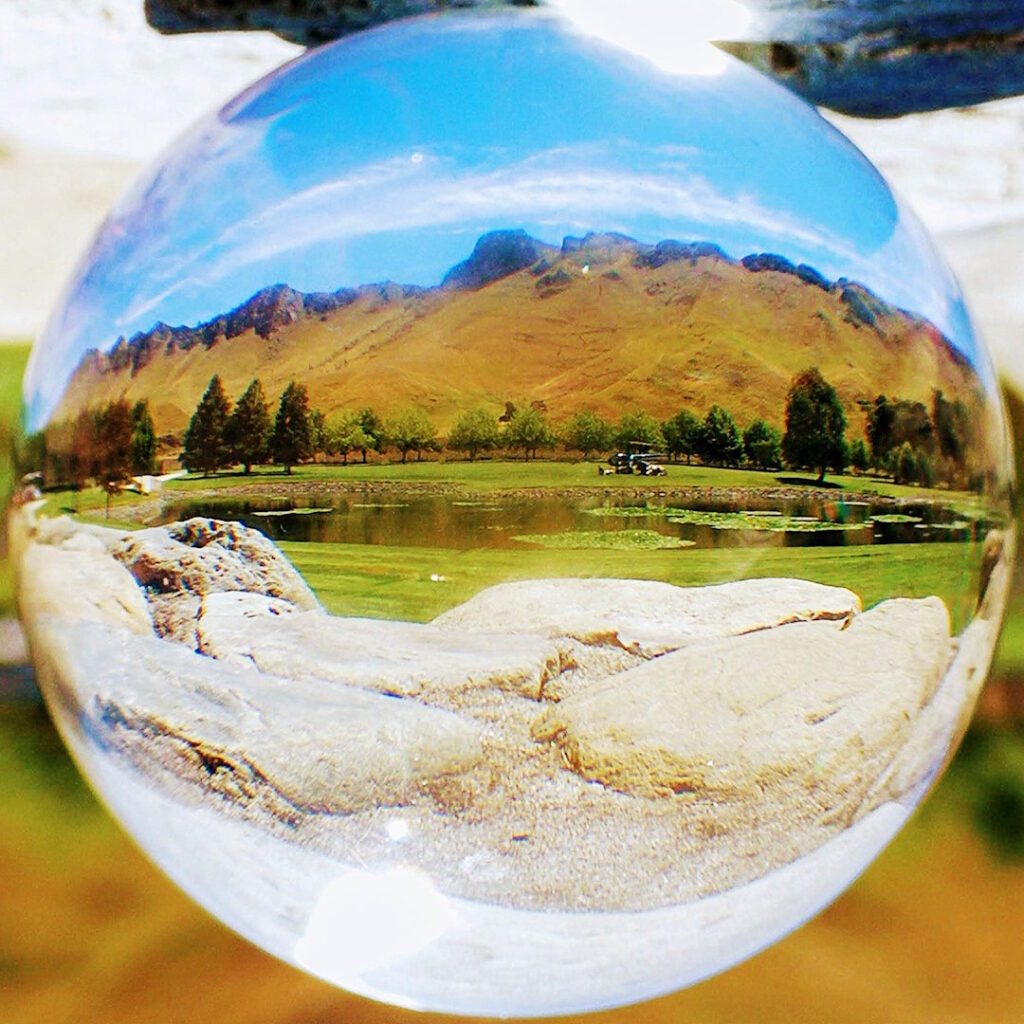
Views That Change With the Weather
From the summit, 399 metres above sea level, the views are constantly changing.
On a clear day, you may see:
- To the east: the Pacific Ocean and the cliffs of Cape Kidnappers
- To the north: the Mahia Peninsula reaching out into the sea
- To the west: rolling ranges and, sometimes, the distant outline of central North Island peaks
- Below you: the Tuki Tuki River winding through the valley
On hazier or cloudy days, the landscape takes on softer, more dramatic tones – distant hills fade into layers of blue and grey, and the light plays in a different way. It’s not about a “guaranteed postcard”, it’s about experiencing whatever the day offers from one of Hawke’s Bay’s most iconic vantage points.
A Photographer’s Friend (Not Just at Sunset)
If you love taking photos, Te Mata Peak gives you plenty to work with: big skies, sweeping lines of hills, and the contrast between farmland, river and coastline.
- During the day, you get crisp views and strong colours.
- In the late afternoon or early evening, when conditions are kind, the light softens and everything looks a little more golden and gentle.
On a group bus tour you might only get a quick stop. On a private tour, we can adjust the timing to give you a relaxed visit – enough space to wander, find your angle, and enjoy the view without rushing back to the coach.
A Photographer’s Dream
If you love taking photos, the hour before sunset is non-negotiable. The harsh midday shadows disappear, replaced by a soft, warm glow that flatters everything it touches.
On a standard bus tour, you might get 15 minutes at the top—hardly enough time to set up a tripod or wait for the perfect cloud formation. On a private tour, we have time. We can wait for that precise moment when the sun dips below the horizon, painting the sky in shades of violet and pink. Whether you use a professional camera or just your smartphone, you are guaranteed the shot of a lifetime.
Why Visit Te Mata Peak With Premium Tours?
Driving yourself to the top can be a bit daunting if you’re not used to New Zealand’s narrow, winding roads – especially if you’re thinking about coming down later in the day.
Coming with Premium Tours means:
Local Driver-Guide
You’re with someone who knows the road, the lookouts and the park, and can choose the best stops for the conditions on the day.
Flexible Timing
Because this is part of a private tour, Te Mata Peak is one of several options, not a fixed “sunset package”. If the weather looks promising, we can plan to be there later in the afternoon. If cloud or rain roll in, we can adjust and focus on other highlights like wineries, coastal views or Art Deco Napier instead.
Comfort and Ease
You don’t have to watch every bend or worry about where to pull over. You can simply relax, listen to the stories, and enjoy the changing views as we climb.
How Te Mata Peak Fits Into Your Day
Te Mata Peak works beautifully as part of a wider Hawke’s Bay itinerary. For example, on a private tour we could:
- Spend the day exploring vineyards and countryside.
- Enjoy time in Napier’s Art Deco centre and along Marine Parade, then.
- Head up to Te Mata Peak later in the afternoon, if the weather and daylight look good.
Or we can flip it: start with the heights in the morning when it’s clear, then spend the rest of the day tasting wine, discovering local history and enjoying the coast.
The key is that it’s your day – we design it around your interests and what the weather is doing, rather than promising a specific sunset we can’t control.
Ready to Add Te Mata Peak to Your Hawkes Bay Story?
Te Mata Peak is one of those places that feels different every time you visit: bright and crisp, soft and hazy, dramatic and windswept.
When the conditions line up, it’s unforgettable – but even on less-than-perfect days, it gives you a powerful sense of the land and the stories that shape Hawke’s Bay.
If you’d like to include Te Mata Peak as part of your private Hawkes Bay tour, let me know when you get in touch.
We’ll look at the forecast, your timing, and your interests – and if the day looks right, we’ll aim for that golden-hour magic together.


